
Culture & Heritage
Bangkok's Must-See Temples and Cultural Landmarks
Discover Bangkok's historic temples, royal landmarks, riverside heritage, Chinatown, and cultural attractions with this guide to some of the city's most memorable places.
8 min read
Introduction
Bangkok is a city where modern life and centuries of history exist side by side.
Among the skyscrapers, shopping malls, busy streets, and riverside neighborhoods are some of Thailand's most important temples and cultural landmarks. For first-time visitors, exploring these places is one of the best ways to understand Bangkok beyond its nightlife and shopping scene.
From the spectacular Grand Palace to peaceful temple courtyards, here are some of the landmarks worth adding to your Bangkok itinerary.
1. The Grand Palace
The Grand Palace is one of Bangkok's most recognizable landmarks and one of the city's essential cultural sights.
Built in the late 18th century, the palace complex was closely associated with Thailand's royal history for generations. Its elaborate architecture, decorative details, and impressive courtyards make it a fascinating place to explore.
Allow enough time to walk through the complex rather than simply stopping for photographs.
Don't miss: the elaborate palace architecture · the Temple of the Emerald Buddha complex · decorative murals · historic courtyards and buildings.
Travel tip: Dress respectfully when visiting the palace and temple areas.
2. Wat Phra Kaew — Temple of the Emerald Buddha
Located within the Grand Palace complex, Wat Phra Kaew is considered one of Thailand's most important Buddhist temples.
The temple is known for the Emerald Buddha, a highly revered Buddha image, as well as its ornate architecture and detailed decorative artwork.
The surrounding buildings and murals are also part of the experience, so take some time to look beyond the main temple.
Why visit: A visit provides an opportunity to experience an important part of Thailand's religious and cultural heritage.
3. Wat Pho
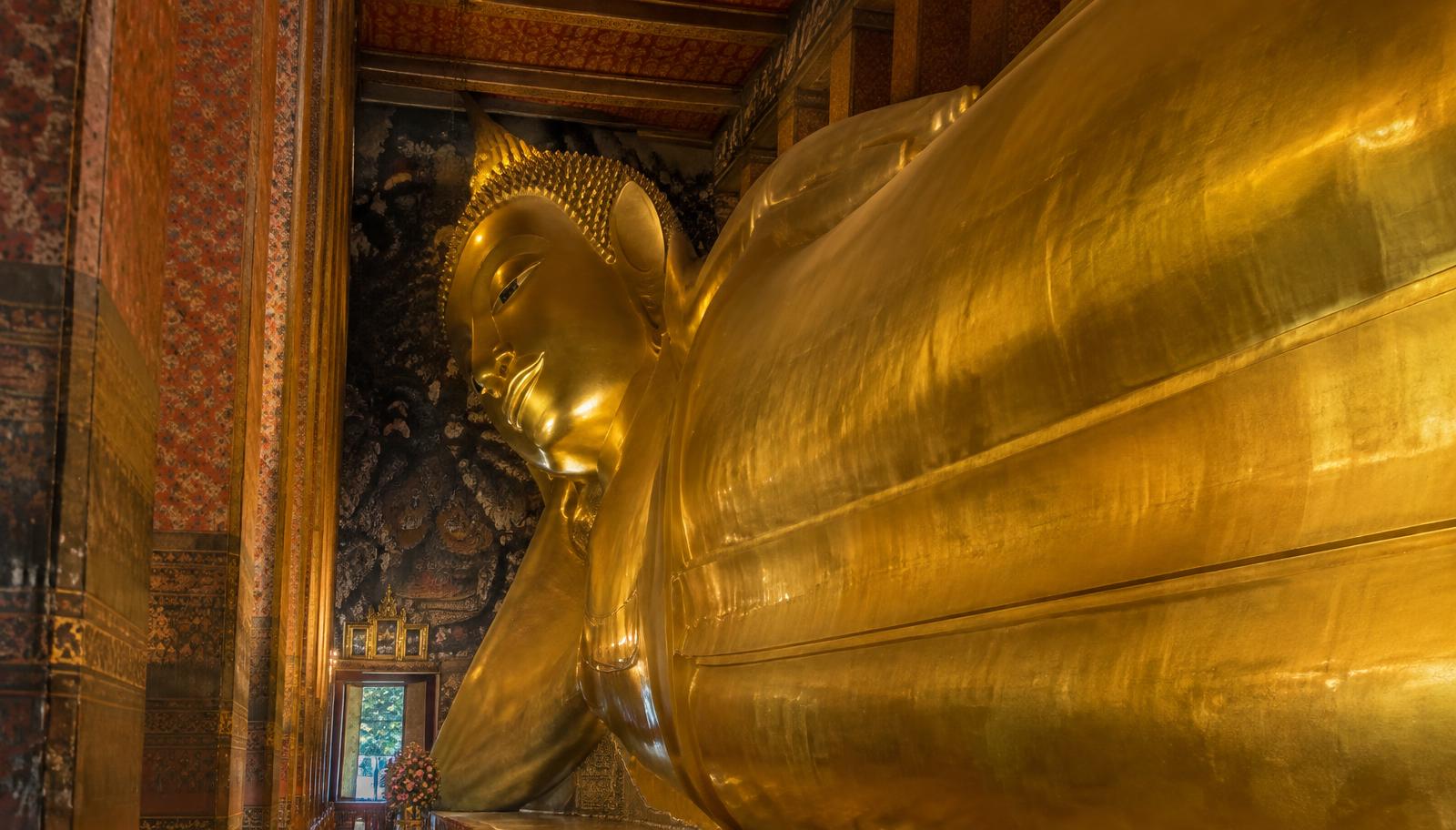
Just a short distance from the Grand Palace, Wat Pho is famous for its enormous Reclining Buddha.
But there is more to the temple complex than the famous statue.
Wat Pho contains numerous chedis, temple buildings, murals, and courtyards. It is also historically associated with traditional Thai massage and education.
Don't miss: the Reclining Buddha · the temple courtyards · decorative chedis · traditional architectural details.
Travel tip: Visit earlier in the day if you want to explore the complex at a more relaxed pace.
4. Wat Arun
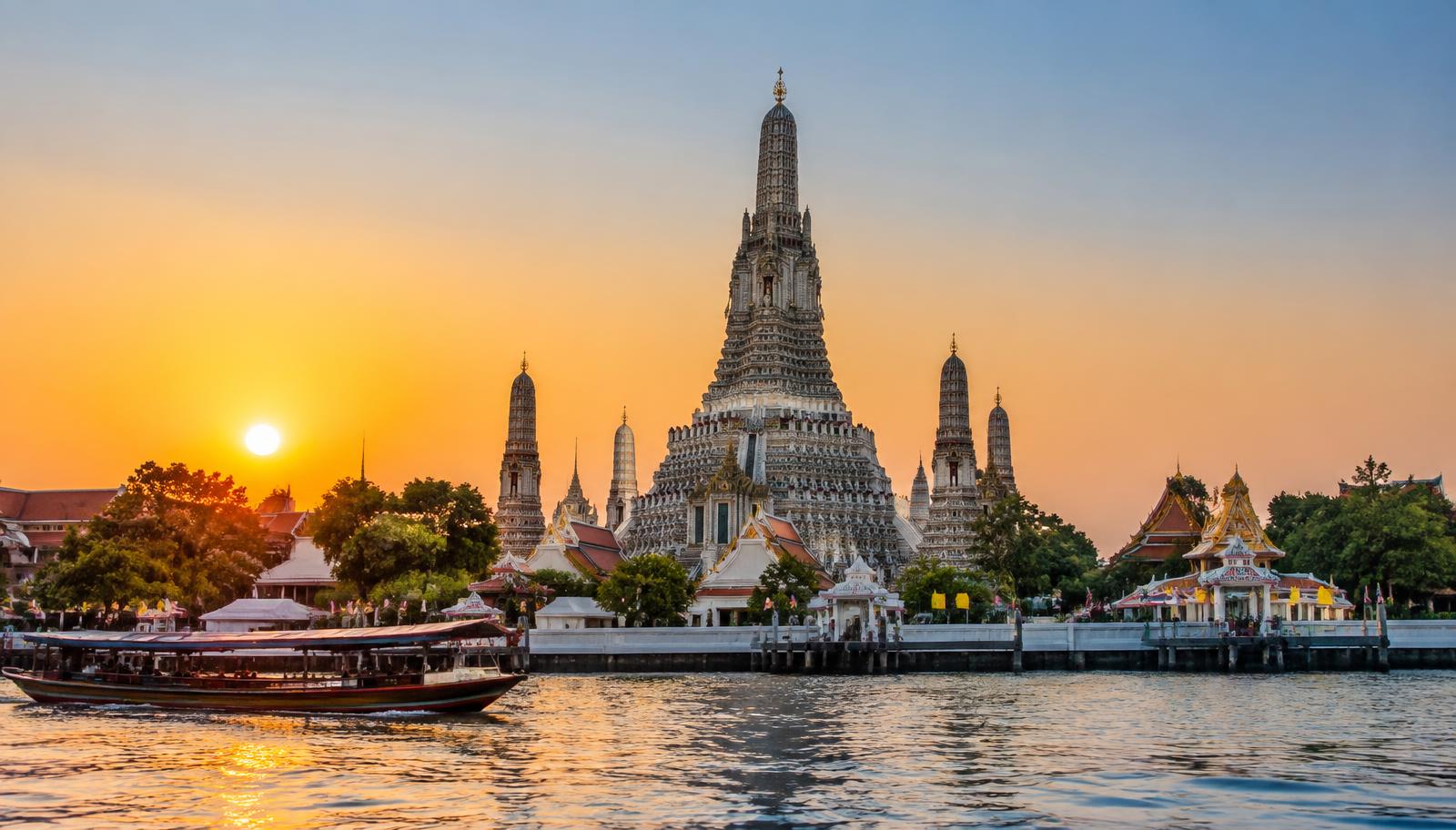
Across the Chao Phraya River stands one of Bangkok's most distinctive landmarks: Wat Arun, also known as the Temple of Dawn.
Its central prang is decorated with intricate porcelain and ceramic details that create a striking appearance, particularly when viewed from across the river.
Wat Arun is especially memorable around sunrise, late afternoon, and sunset, when the changing light creates different views of the temple.
Don't miss: the central prang · decorative ceramic details · riverside views · the surrounding temple grounds.
5. Wat Saket and the Golden Mount
For a different Bangkok temple experience, head to Wat Saket, home to the Golden Mount.
The temple sits on an artificial hill, and visitors can climb the steps toward the golden chedi at the top.
The climb provides a different perspective of Bangkok, with views across parts of the historic city.
Why visit: It combines a historic temple environment with an elevated city viewpoint.
6. Jim Thompson House
Not every cultural landmark in Bangkok is a temple.
The Jim Thompson House offers visitors a look at traditional Thai architecture, art, and cultural heritage through the former home of American silk entrepreneur Jim Thompson.
The traditional Thai houses, gardens, artwork, and collections create a quieter experience compared with Bangkok's busy streets.
Why visit: A good option for travelers interested in architecture, art, history, and Thai cultural traditions.
7. Bangkok's Chinatown and Yaowarat
For a completely different cultural experience, explore Chinatown, particularly the Yaowarat area.
The neighborhood combines Chinese heritage with Bangkok's distinctive street culture. During the day, visitors can explore shops, markets, temples, and narrow streets. In the evening, the area becomes one of the city's famous food destinations.
Don't miss: street food · traditional shops · markets · Chinese temples · evening atmosphere.
Yaowarat is particularly enjoyable when explored on foot, allowing you to discover small streets and unexpected food stops along the way.
8. The Chao Phraya River
The Chao Phraya is more than a scenic backdrop — it has played an important role in Bangkok's development and remains an important part of daily life in the city.
Taking a river boat can be a practical way to move between several historic areas while also seeing Bangkok from a different perspective.
For travelers interested in culture and history, combining riverside temples with a boat ride makes a natural addition to a Bangkok itinerary.
How to Plan Your Cultural Day
Many of Bangkok's major historic attractions are relatively close to one another, making it possible to combine several of them in one day.
A simple route could be:
Morning: Grand Palace → Wat Phra Kaew → Wat Pho
Afternoon: Cross the Chao Phraya River → Wat Arun
Late Afternoon: Explore another historic neighborhood or visit the Golden Mount.
Evening: Head toward Chinatown and explore Yaowarat's food scene.
This gives you a combination of royal history, Buddhist culture, architecture, river scenery, local neighborhoods, and food without trying to cover the entire city in one day.
Tips for Visiting Bangkok's Cultural Sites
Dress respectfully: Many temples require visitors to dress appropriately. Clothing that covers the shoulders and knees is generally the safest choice.
Start early: Bangkok can become hot and busy during the day. Starting your sightseeing early can make temple visits more comfortable.
Take your time: Don't rush from one landmark to another simply to collect photographs. Architectural details, courtyards, murals, and smaller buildings are often part of the experience.
Carry water: Bangkok's heat can be intense, particularly when walking between attractions.
Check current information: Opening hours, entrance fees, visitor procedures, and access arrangements can change. Check the relevant attraction or official authority before visiting.
A Different Side of Bangkok
Bangkok is often introduced through its food, shopping, nightlife, and modern city life. But its temples and cultural landmarks reveal another side of the capital.
From the Grand Palace and Wat Phra Kaew to the riverside beauty of Wat Arun and the lively streets of Yaowarat, Bangkok's cultural attractions provide a fascinating introduction to the city's history and character.
Tour Box — Dream It. Plan It. Go.
Travel Information
Travel information is provided for general planning and inspiration. Opening hours, entrance fees, transportation, prices, and access arrangements can change. Always confirm important details with the relevant official provider or authority before traveling.